Thank you for visiting.
This content is exclusive to subscribers only.
As a digital subscriber, you’ll receive unlimited access to Horn Book web exclusives and extensive archives, as well as access to our highly searchable Guide/Reviews Database.
To access other site content, visit The Horn Book homepage.
Log In
Don't have a Horn Book Account?
Register Now
Register Now

Irwin, Robert B.
1 Reviews


(2)
K-3
Illustrated by
Ashanti Fortson.
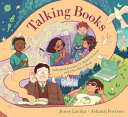
Robert Benjamin Irwin (1883–1951) was, as readers are told, a child who loved to learn. When he loses his sight at age five, he is forced to find new ways to explore his world. The child who peeked into birds’ nests becomes a child who listens closely to the sounds of birds to learn about them. At school, impatient with his own slow braille reading, Robert “save[s] pennies to pay other faster fin-ger-readers to narrate books to him.” His love of books becomes the impetus for the establishment of a national braille library and, eventually, a way to make audio recordings of literature. “Robert proved to everyone what he could do! Now he began to focus on what he could do for others.” The straightforward picture-book biography makes a connection between Irwin’s curiosity and his unwillingness to let his blindness limit his education or that of others as he fights for accessibility. Fortson uses curved lines swirling across the pages to convey the sound waves so critical to Irwin’s experience of the world. Both the clear writing and the friendly art succeed at providing helpful details for readers to understand Irwin’s life and accomplishments. Closing spreads include images of the kinds of circumstances in which people might listen to audiobooks. An author’s note discusses universal design and the many ways design for disabled people benefits everyone.
Reviewer: Maeve Visser Knoth
| Horn Book Magazine Issue:
January, 2026
1 reviews
We are currently offering this content for free. Sign up now to activate your personal profile, where you can save articles for future viewing.